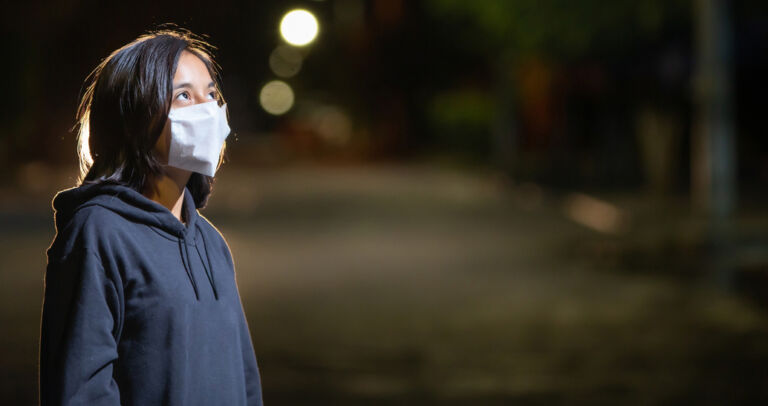
Grace’s Lockdown Story
When Zimbabwe entered lockdown in March 2020, Grace’s family lost the ability to earn a living almost overnight. Her firsthand account reveals how COVID-19 restrictions pushed one family from hardship into desperation—and the impossible choices that followed.
It was the 30th of March 2020. The president of Zimbabwe had just announced that, for the next 30 days, the country would be completely shut down. No unnecessary movement, no public gatherings, no work. News about the nationwide lockdown was immediately dismissed by many Zimbabwean families, primarily those who worked in the informal sector, where socialising and interacting with others are at the very centre of earning a living.
Grace, a 21-year-old woman, works with her parents, selling a variety of fruits and vegetables, snacks, and handmade garments on the streets. Grace’s father is a mechanic who repairs virtually anything, from cars and bicycles to computers. Like many people throughout the country, Grace and her family rely on selling goods to survive.
Grace’s livelihood and already impoverished standard of living take a deeper negative turn when the national lockdown is announced. Unable to interact with customers and forced to stay at home, her family struggles to put food on their already small table.
When police begin patrolling the streets to ensure compliance with COVID-19 regulations, Grace and her family initially ignore the lockdown rules to go out and find money for their next meal. After being beaten and arrested many times by police and military forces for violating the rules, Grace and her parents can no longer keep risking their lives. Grace’s father reaches a point where his body cannot withstand the beatings anymore. With no government support or compensation for unemployed people or informal-sector workers, Grace is forced to consider alternative ways to support her family, one of them being prostitution.
About This Story
Grace shared her experience during the early months of Zimbabwe’s COVID-19 lockdown, when families working in the informal economy were suddenly unable to earn a living. Her account highlights the difficult choices many people faced when public-health restrictions collided with the daily struggle to survive.
Editorial Note
This story has been lightly edited for grammar, punctuation, and readability while preserving the contributor’s original meaning and voice.